
Top 5 Sports Foot Injuries Treated at DG Podiatrist
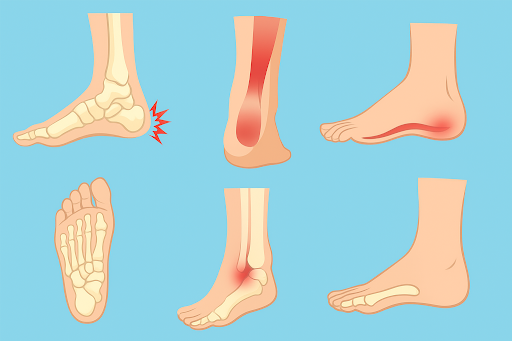
Whether you play football on weekends, run competitively, or simply stay active at the gym, your feet take on a significant amount of physical stress. Sports-related foot injuries are among the most common reasons athletes — at every level — seek treatment from a podiatrist.
At DG Podiatrist in Harare, our team is experienced in assessing, diagnosing, and treating a wide range of sports foot injuries. Here are the five most common conditions we see in active patients and how we approach each one.
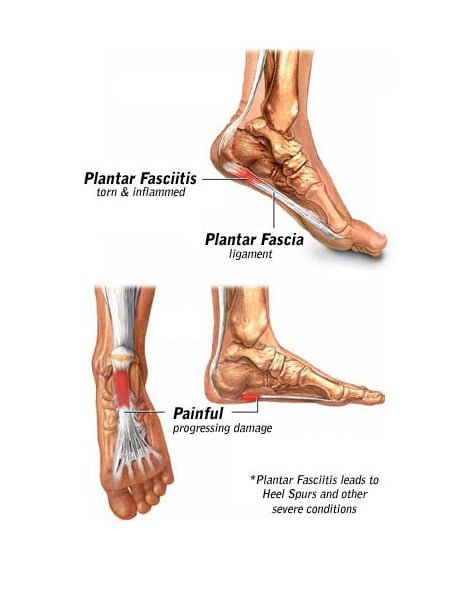
1. Plantar Fasciitis
What It Is
Plantar fasciitis is inflammation of the plantar fascia — the thick band of connective tissue that runs along the bottom of your foot from the heel to the base of the toes. It is one of the most frequently treated conditions at our Harare clinic.
What It Feels Like
The hallmark symptom is sharp heel pain that is worst with the first few steps in the morning or after a period of rest. The pain may ease as you warm up but often returns after prolonged activity or at the end of the day.
Who Gets It
Runners, hikers, and anyone who stands for long periods are at particular risk. Sudden increases in training volume, running on hard surfaces, and wearing unsupportive footwear are common contributing factors.
How DG Podiatrist Treats It
Our approach as the best podiatrist for athletic injuries in Harare typically includes:
Biomechanical assessment to identify contributing factors
Customised orthotic insoles to offload pressure from the fascia
Stretching and rehabilitation guidance
Strapping and taping techniques to reduce strain during recovery
Footwear advice tailored to your sport and foot structure
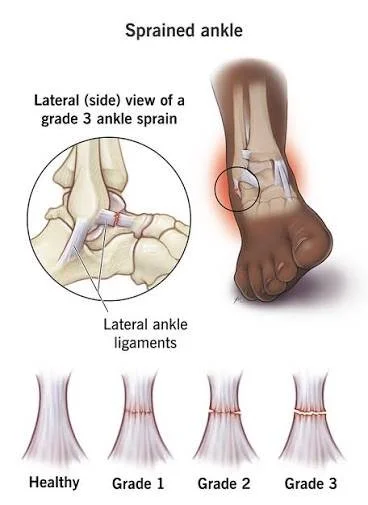
2. Ankle Sprains
What It Is
An ankle sprain occurs when the ligaments supporting the ankle are stretched or torn, usually as a result of the foot rolling inward (inversion sprain) during a change of direction, jump landing, or step on uneven ground.
What It Feels Like
Immediate pain and tenderness around the ankle, followed by swelling and sometimes bruising. Depending on severity, weight-bearing may be painful or impossible initially.
Who Gets It
Ankle sprains are particularly common in football, basketball, tennis, and trail running — any sport involving rapid directional changes or uneven terrain.
How DG Podiatrist Treats It
Many athletes underestimate ankle sprains and return to sport too early, which increases the risk of chronic ankle instability. Our team provides:
Accurate assessment of sprain severity
Appropriate RICE (Rest, Ice, Compression, Elevation) guidance for the acute phase
Structured rehabilitation to restore strength and proprioception
Bracing recommendations where appropriate
Return-to-sport planning to reduce re-injury risk
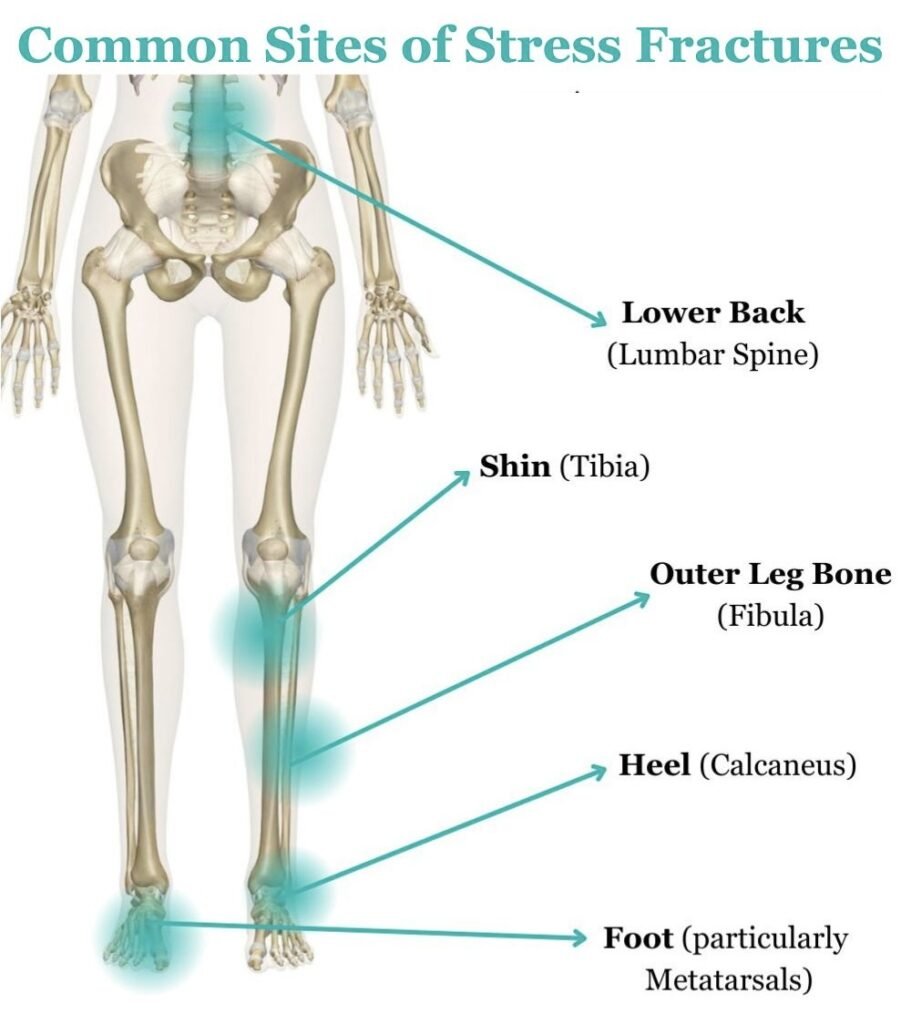
3. Stress Fractures
What It Is
A stress fracture is a small crack in a bone caused by repetitive loading rather than a single traumatic event. In the foot, stress fractures most commonly occur in the metatarsal bones (the long bones in the midfoot).
What It Feels Like
A gradual onset of pain that worsens during activity and eases with rest. There may be localised tenderness over a specific bone and mild swelling. Pain that initially occurs only during exercise may progress to pain during normal walking if not addressed.
Who Gets It
Runners who rapidly increase their mileage, athletes who train on hard surfaces, and those returning to sport after a period of inactivity are most vulnerable. Nutritional factors and bone density also play a role.
How DG Podiatrist Treats It
Stress fractures require proper rest and management to heal fully. Returning to sport too early can cause a complete fracture. As the best podiatrist for athletic injuries in Harare, we provide:
Clinical assessment and referral for imaging where needed
Activity modification and offloading advice
Orthotic support to reduce stress on the healing bone
A graduated return-to-training plan
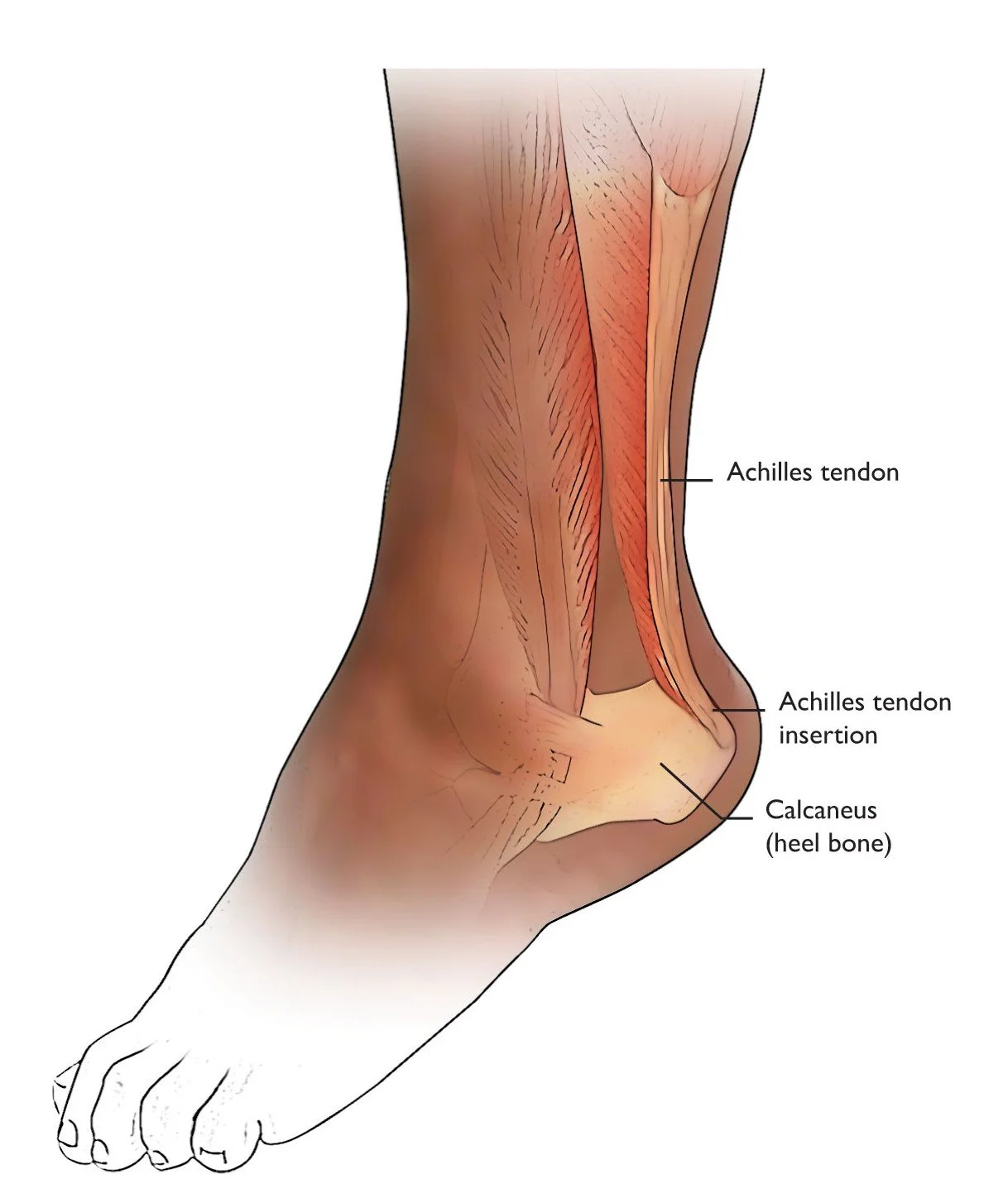
4. Achilles Tendinopathy
What It Is
Achilles tendinopathy refers to degeneration and pain of the Achilles tendon — the large tendon at the back of the ankle connecting the calf muscles to the heel bone. It is commonly seen in runners and jumping athletes.
What It Feels Like
Pain and stiffness along the back of the lower leg, particularly in the morning or after sitting. A thickened or nodular tendon may be visible or palpable. Pain may ease during activity but worsen again afterward.
Who Gets It
Runners, particularly those who have recently increased training load, are most commonly affected. Inadequate warm-up, overpronation, and calf muscle weakness are contributing factors.
How DG Podiatrist Treats It
Loading programmes (specific exercises to stimulate tendon healing)
Heel raises or orthotic support to reduce strain on the tendon
Biomechanical assessment and gait analysis
Footwear review and recommendations
Education on managing training load to prevent recurrence
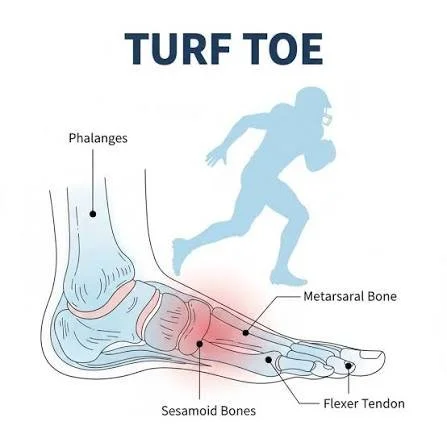
5. Turf Toe
What It Is
Turf toe is a sprain of the main joint at the base of the big toe. Despite its name, it is not limited to athletes who play on artificial turf — it can occur in any sport involving repeated or forceful toe-off movements.
What It Feels Like
Pain, swelling, and limited movement at the base of the big toe. Even walking can be uncomfortable. In severe cases, the joint may be visibly swollen and bruised.
Who Gets It
Rugby players, footballers, and dancers are among those most frequently affected. Wearing flexible, thin-soled footwear on hard or unforgiving surfaces increases risk.
How DG Podiatrist Treats It
Strapping the toe to limit movement during the healing phase
Stiff-soled or customised footwear advice to protect the joint
Orthotics designed to limit big toe extension under load
A structured return-to-sport plan once the joint has stabilised
Why Choose DG Podiatrist for Sports Foot Injuries in Harare?
We understand that being sidelined by a foot injury affects more than just your sport — it affects your daily life, your mental wellbeing, and your long-term athletic goals. As the best podiatrist for athletic injuries in Harare, our approach is focused on accurate diagnosis, effective treatment, and a clear path back to the activities you love.
We do not offer a one-size-fits-all solution. Every patient receives an individualised assessment and a treatment plan tailored to their sport, their goals, and their body.
Book Your Sports Foot Injury Assessment in Harare
Do not let a foot injury keep you on the sideline longer than necessary. Contact DG Podiatrist in Harare today to book your assessment with our sports podiatry team.
Frequently Asked Questions (FAQs)
Q1: How do I know if my foot pain is a sports injury or something more serious?
Pain that persists beyond a few days, worsens with activity, or is accompanied by visible swelling, bruising, or deformity warrants professional assessment. The best podiatrist for athletic injuries can differentiate between soft tissue injuries, stress fractures, and other conditions through clinical examination and imaging referral if needed.
Q2: Can I keep training with a sports foot injury?
This depends entirely on the nature and severity of the injury. Some conditions allow for modified activity, while others — particularly stress fractures — require a full rest period to prevent serious complications. Never push through significant foot pain without a professional assessment.
Q3: How long does it take to recover from plantar fasciitis?
With appropriate treatment and load management, many patients see significant improvement within six to twelve weeks. However, recovery timelines vary based on how long the condition has been present, the patient's activity levels, and how consistently they follow the treatment plan.
Q4: Do I need a referral to see DG Podiatrist for a sports injury?
No referral is necessary. Athletes and active individuals across Harare are welcome to contact us directly to book a sports foot injury assessment.
Q5: Can children and teenagers be treated for sports foot injuries at DGPodiatrist?
Yes. We treat patients of all ages. Young athletes are actually at particular risk for conditions like Sever's disease (a heel condition common in growing children) and growth plate injuries. Early assessment and appropriate management are important in younger patients.
Q6: Are custom orthotics necessary for sports foot injuries?
Not always. Orthotics are recommended when biomechanical factors are contributing to the injury. Your DG Podiatrist assessment will determine whether custom orthotics are the right tool for your situation or whether footwear modification and rehabilitation exercises will suffice.
Q7: What is the difference between tendinitis and tendinopathy?
Tendinitis implies active inflammation, while tendinopathy is a broader term describing degeneration and pain within the tendon — which may not involve significant inflammation. Most chronic tendon conditions in athletes are now understood as tendinopathy rather than tendinitis, which has implications for treatment choice.
Q8: How soon after injury should I see a podiatrist?
As soon as possible. Early assessment allows for accurate diagnosis and appropriate early management, which improves outcomes. Delaying assessment can allow some conditions to become chronic and more difficult to treat.
Q9: Does DG Podiatrist provide gait analysis for athletes?
Yes. Biomechanical and gait assessment is a core part of our sports podiatry service. Understanding how your foot functions during movement helps us identify contributing factors and design effective treatment plans.
Q10: Can sports foot injuries be prevented?
Many can. Wearing appropriate footwear for your sport, increasing training load gradually, maintaining strength and flexibility in the lower limbs, and addressing any biomechanical issues early all play a role in prevention. DG Podiatrist offers proactive assessments for athletes looking to prevent injury before it happens.
Ready to put your best foot foward?
Visit our bookings page or simply click below to book an appointment with DG Podiatrist today. Alternatively email us at bookings@dgpodiatrist.com.