
Top 10 Foot Skin Care Tips Recommended by DG Podiatrist
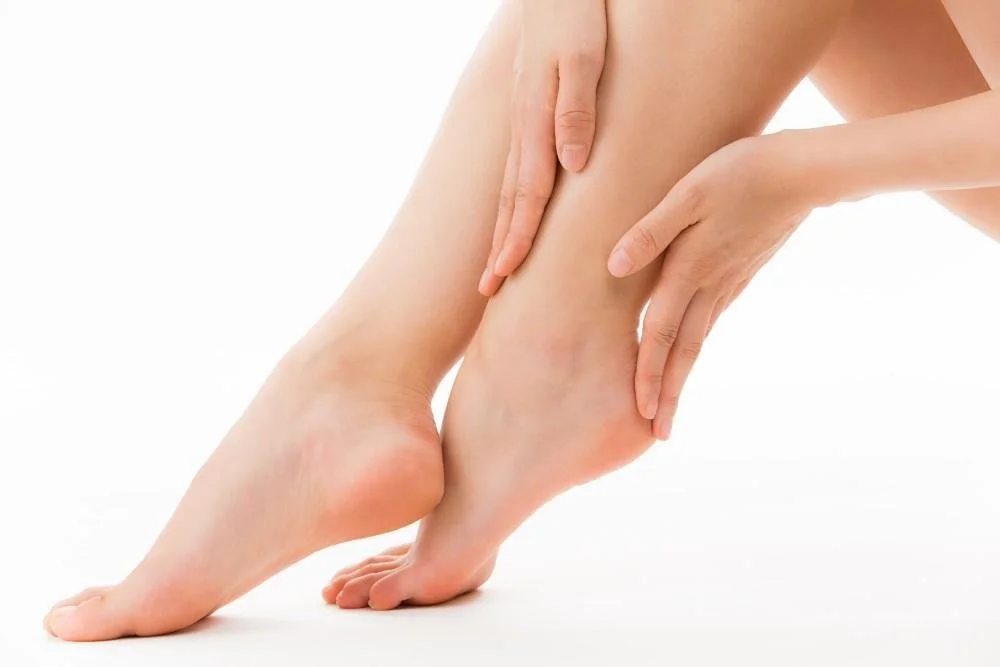
Your feet carry you through every step of your day — yet they are often the most neglected part of your body when it comes to skin care. Cracked heels, dry skin, calluses, and fungal infections are all common problems that a skin care podiatrist sees regularly. The good news is that most of these issues are preventable with a few consistent habits.
At DG Podiatrist in Harare, we believe that healthy feet are the foundation of a healthy life. Here are our top 10 podiatrist-recommended foot skin care tips to keep your feet feeling their best.
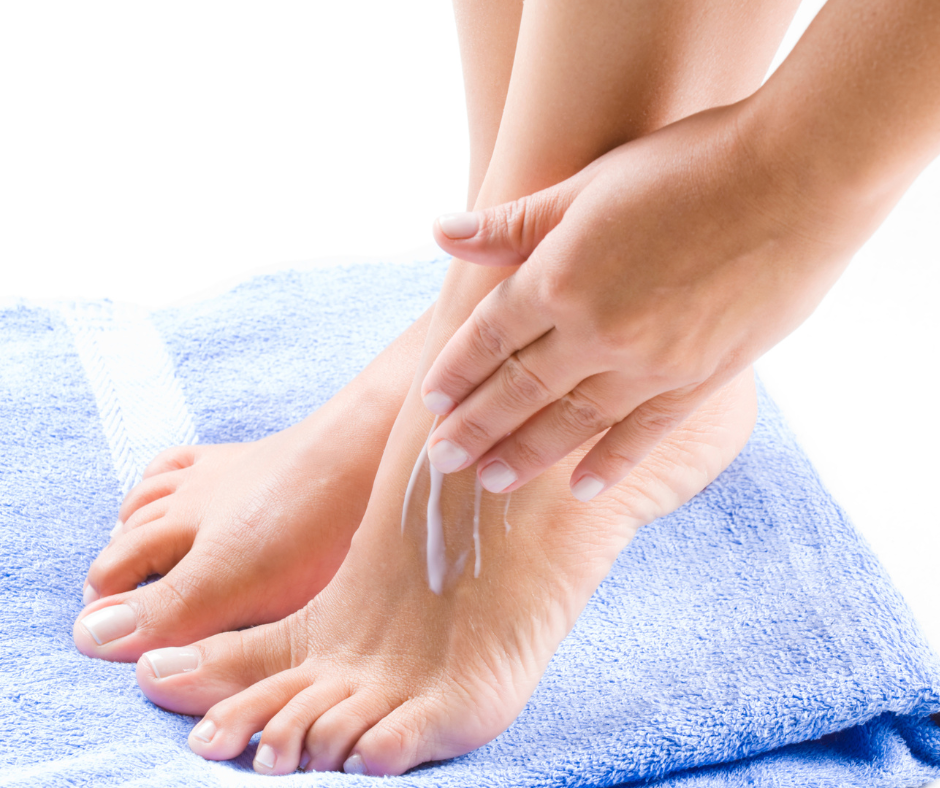
1. Wash Your Feet Thoroughly — Every Single Day
It sounds simple, but many people simply let water run over their feet in the shower without actually scrubbing them. Use mild soap and warm water to clean between your toes, under the nails, and around the heels. Rinse completely to avoid soap residue, which can cause dryness or irritation.
A skin care podiatrist will tell you that consistent daily cleaning is the single most effective way to prevent bacterial and fungal infections.
2. Dry Your Feet Completely After Washing
Moisture trapped between the toes creates the perfect environment for fungal infections like athlete's foot. After washing, pat your feet dry with a clean towel — paying special attention to the spaces between each toe. Do not rub aggressively as this can cause small skin breaks.

3. Moisturise Daily, But Avoid the Spaces Between Your Toes
Dry skin on the heels and soles can crack, causing pain and even infection if left untreated. Apply a good foot cream or moisturiser every day, focusing on the heels and the balls of your feet.
However, avoid applying lotion between your toes. That area needs to stay dry to prevent fungal growth. Look for creams containing urea, shea butter, or glycerin — these are particularly effective for dry foot skin.
4. Exfoliate Regularly to Remove Dead Skin
Buildup of dead skin leads to calluses and rough patches. Use a pumice stone or foot file once or twice a week on damp skin to gently remove dead skin cells. Do this after a shower when the skin is softer and easier to work with.
Avoid cutting or shaving calluses yourself — if they are thick or painful, visit your skin care podiatrist at DG Podiatrist for safe, professional removal.
5. Trim Toenails Properly
Incorrect nail trimming is one of the leading causes of ingrown toenails. Cut your nails straight across rather than rounding the corners, and keep them at a moderate length — not too short, not too long. Use clean, sharp nail clippers for a smooth cut.
If you struggle to reach your toenails or have thickened nails, our podiatry team in Harare can help.
6. Wear the Right Socks
Socks play a significant role in foot skin health. Choose socks made from breathable, moisture-wicking materials such as cotton or bamboo blends. Avoid synthetic fabrics that trap heat and sweat. Change your socks daily and never share them with others.
If you sweat heavily, consider moisture-wicking sports socks even for everyday wear.

7. Choose Footwear That Fits Properly
Shoes that are too tight compress the skin and lead to blisters, corns, and calluses. Shoes that are too loose cause friction, which does the same damage. Always have your feet measured properly — foot size can change over time — and prioritise fit over style.
Your skin care podiatrist at DG Podiatrist can also assess your gait and recommend footwear suited to your specific foot shape.
8. Protect Your Feet in Public Spaces
Public swimming pools, gym showers, and locker rooms are breeding grounds for fungal and bacterial infections. Always wear flip-flops or shower shoes in these areas. This single habit can save you from a frustrating fungal infection that takes weeks to clear.

9. Check Your Feet Regularly for Any Changes
Get into the habit of inspecting your feet every week. Look for:
Cracks or cuts that are not healing
Unusual discolouration or texture changes
Blisters, warts, or unexplained growths
Swelling or redness
Thickening of the skin around the heels or toes
Early detection of skin changes makes treatment far simpler. People living with diabetes in Harare should perform daily foot checks, as small issues can escalate quickly.
10. Visit a Skin Care Podiatrist for Professional Foot Care
No matter how diligent your home routine is, professional podiatry care adds a level of precision and expertise that you simply cannot replicate at home. A skin care podiatrist can identify conditions in their early stages, perform safe removal of calluses and corns, treat fungal infections effectively, and advise on the best products for your specific skin type.
At DG Podiatrist in Harare, we offer comprehensive foot skin care services tailored to your individual needs. Whether you are dealing with persistent dry skin, cracked heels, or a recurring fungal problem, our team is here to help you find lasting relief.
Book Your Appointment at DG Podiatrist in Harare
Ready to give your feet the attention they deserve? Contact DG Podiatrist today to schedule a consultation with our experienced skin care podiatrist team. Healthy, comfortable feet are just one appointment away.
Frequently Asked Questions (FAQs)
Q1: How often should I see a skin care podiatrist for routine foot care?
It can truly vary from one person to the next; some attend monthly, others every two to three months, and some six to twelve months for routine foot maintenance. However, if you have diabetes, a history of foot infections, or persistent skin concerns, more frequent visits — every six to eight weeks — are recommended.
Q2: What is the best cream for cracked heels?
Podiatrists generally recommend creams containing urea (between 10% and 25% concentration) or lactic acid for cracked heels. These ingredients help soften and exfoliate thickened skin. Your DG Podiatrist team can recommend the most appropriate product for your skin type.
Q3: Can I use regular body lotion on my feet?
You can, but dedicated foot creams tend to be more effective because they are formulated for the thicker skin on the soles and heels. Regular body lotion may not penetrate deeply enough to address very dry or cracked foot skin.
Q4: Is it safe to use a pumice stone at home?
Yes, as long as you use gentle circular motions on damp skin and avoid over-exfoliating. If your calluses are very thick or if you have reduced sensation in your feet due to diabetes, leave callus removal to a professional.
Q5: What causes skin to peel between the toes?
Peeling skin between the toes is most commonly caused by athlete's foot (tinea pedis), a fungal infection. It can also result from excessive moisture, contact dermatitis, or very dry skin. A skin care podiatrist can diagnose the cause and recommend appropriate treatment.
Q6: How can I prevent blisters from forming?
Wearing well-fitting shoes and moisture-wicking socks significantly reduces blister risk. You can also apply anti-friction balm to known hotspots on your feet before long walks or runs. If blisters form repeatedly in the same spot, a podiatrist can assess your gait and footwear.
Q7: What is the difference between a callus and a corn?
Both are areas of thickened skin caused by repeated friction or pressure. Calluses are generally larger and develop on the soles or heels, while corns are smaller, have a hard centre, and usually appear on or between the toes. Both can be safely treated by your skin care podiatrist.
Q8: Can dry feet cause more serious foot problems?
Yes. Severely dry skin can crack deeply enough to create open wounds, which are entry points for infection. This is particularly concerning for people with diabetes, who may have reduced immune response in the feet. Keeping feet moisturised is a genuine health measure, not just cosmetic.
Q9: Are there any foods that improve foot skin health?
Adequate hydration is the most important nutritional factor. Beyond that, foods rich in omega-3 fatty acids (like fish and flaxseed), vitamin E (like nuts and leafy greens), and zinc (like pumpkin seeds and legumes) support healthy skin throughout the body, including the feet.
Q10: Does DG Podiatrist offer foot care for people with diabetes in Harare?
Yes. DG Podiatrist provides specialist diabetic foot care services in Harare. Diabetic foot management requires careful, regular assessment of skin integrity, circulation, and sensation. Our team is experienced in providing safe, thorough care for patients with diabetes.
Ready to put your best foot foward?
Visit our bookings page or simply click below to book an appointment with DG Podiatrist today. Alternatively email us at bookings@dgpodiatrist.com.