
The Most Common Foot Nail Problems and How DG Podiatrist Can Help
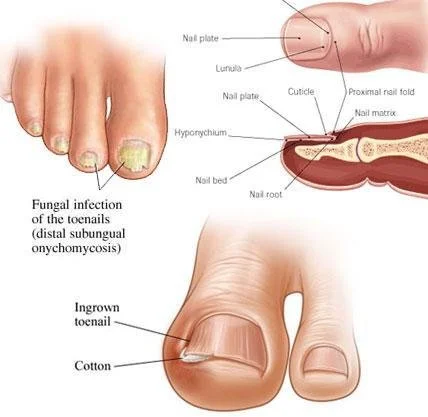
Foot nail problems are incredibly common — and yet many people put off getting them looked at, either because they assume the issue will sort itself out, or because they feel embarrassed. The truth is, nail problems rarely go away on their own and can get significantly worse without the right treatment.
At DG Podiatrist in London, we see and treat nail-related foot conditions every day. In this blog, we’re covering the most common foot nail problems, what causes them, and how professional podiatric care can help you get back to comfortable, confident feet.
1. Ingrown Toenails
What Is It?
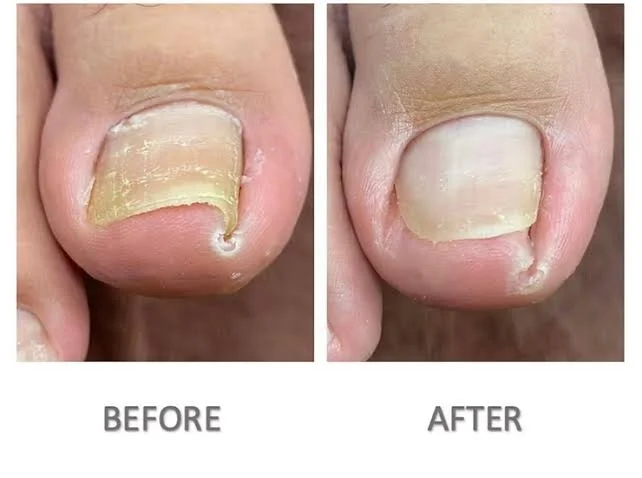
An ingrown toenail occurs when the edge of the nail grows into the surrounding skin rather than over it. The big toe is most commonly affected, though it can happen on any toe.
Symptoms
• Pain and tenderness along the side of the nail
• Redness and swelling
• Skin that feels warm to the touch
• In more severe cases: infection, discharge, or difficulty walking
What Causes It?
Ingrown toenails are typically caused by cutting nails too short or at a curved angle, wearing shoes that are too tight, or trauma to the toe. Some people are also genetically predisposed to curved nail growth.
How DG Podiatrist Can Help
Mild ingrown toenails can often be treated conservatively — lifting the nail edge, removing the offending spike of nail, and providing aftercare advice. For persistent or recurrent cases, a minor procedure called a Partial Nail Avulsion (PNA) may be recommended, where a small section of the nail is removed under local anaesthetic. This is a safe, effective, and long-lasting solution.
2. Fungal Nail Infections (Onychomycosis)
What Is It?
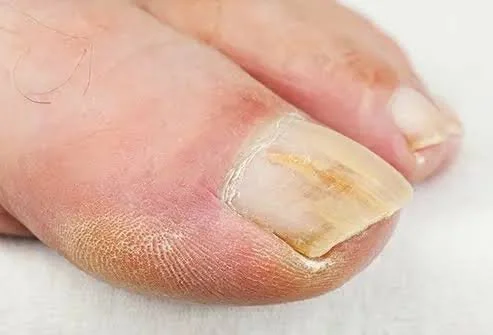
Fungal nail infections are caused by dermatophyte fungi that thrive in warm, moist environments. They are more common than many people realise and can affect one or several toenails.
Symptoms
• Nails that appear yellow, brown, or white
• Thickened or crumbly nails
• Nails that separate from the nail bed
• A mild odour
What Causes It?
Walking barefoot in public areas (such as swimming pools or gyms), wearing occlusive footwear for long periods, and a compromised immune system can all increase the risk.
How DG Podiatrist Can Help
Treatment options include topical antifungal lacquers and solutions, oral antifungal medication (where appropriate), for fungal nails. Your podiatrist will assess the severity of the infection and recommend the most suitable treatment plan.
3. Thickened Toenails (Onychauxis)
What Is It?
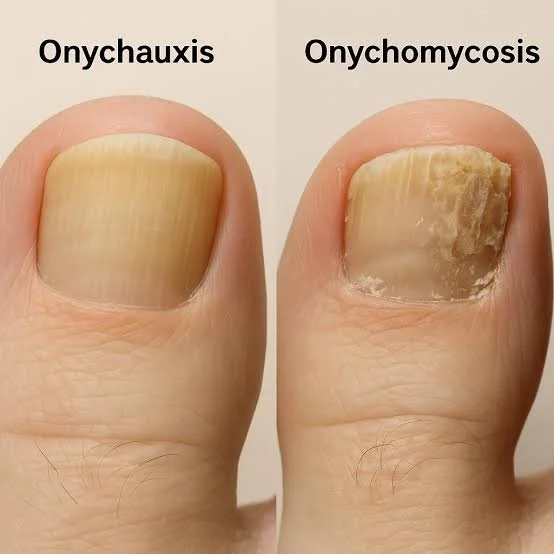
Thickened toenails are a common foot nail problem, particularly in older adults. The nail becomes abnormally thick, making it difficult and sometimes painful to cut.
What Causes It?
Causes include repeated trauma (such as from ill-fitting shoes), fungal infection, psoriasis, and age-related changes to the nail matrix.
How DG Podiatrist Can Help
A podiatrist can safely reduce and thin the nail using specialist equipment. Regular podiatry appointments to manage thickened nails can prevent discomfort and reduce the risk of complications, particularly for people with diabetes or poor circulation.
4. Nail Trauma
What Is It?
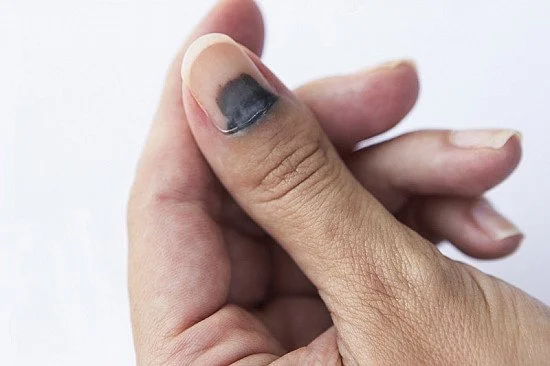
Trauma to a toenail — such as dropping something on your foot or repeated pressure from running — can cause bruising under the nail, nail loss, or damage to the nail bed.
Symptoms
• Discolouration (black or purple under the nail)
• Pain and swelling
• Nail loosening or falling off
How DG Podiatrist Can Help
Your podiatrist can assess the extent of the damage and provide appropriate treatment, whether that’s draining blood pooled under the nail to relieve pressure, protecting the nail bed, or advising on nail regrowth and care.

5. Psoriatic Nail Changes
What Is It?
Psoriasis doesn’t just affect the skin — it can also cause changes to the toenails. Nail psoriasis can look similar to a fungal infection and is sometimes mistaken for one.
Symptoms
• Pitting (small dents) on the nail surface
• Discolouration
• Separation of the nail from the nail bed
• Thickening or crumbling of the nail
How DG Podiatrist Can Help
A podiatrist can help distinguish nail psoriasis from fungal infection and provide appropriate nail care and management. They will also liaise with your GP or dermatologist if systemic treatment is needed.
Why Professional Treatment Matters
Many people try home remedies or over-the-counter products for nail problems. While these can be helpful for very mild cases, they are rarely enough for persistent or complex nail conditions. A podiatrist uses clinical tools, techniques, and products that simply aren’t available at home — and importantly, they can identify when a nail problem is a sign of something that needs further investigation.
Conclusion
Foot nail problems are common, but they are also very treatable. Whether you’re dealing with an ingrown toenail, a stubborn fungal infection, or thickened nails that you struggle to manage, DG Podiatrist in London has the expertise to help.
Book your appointment today and give your toenails the professional care they deserve.
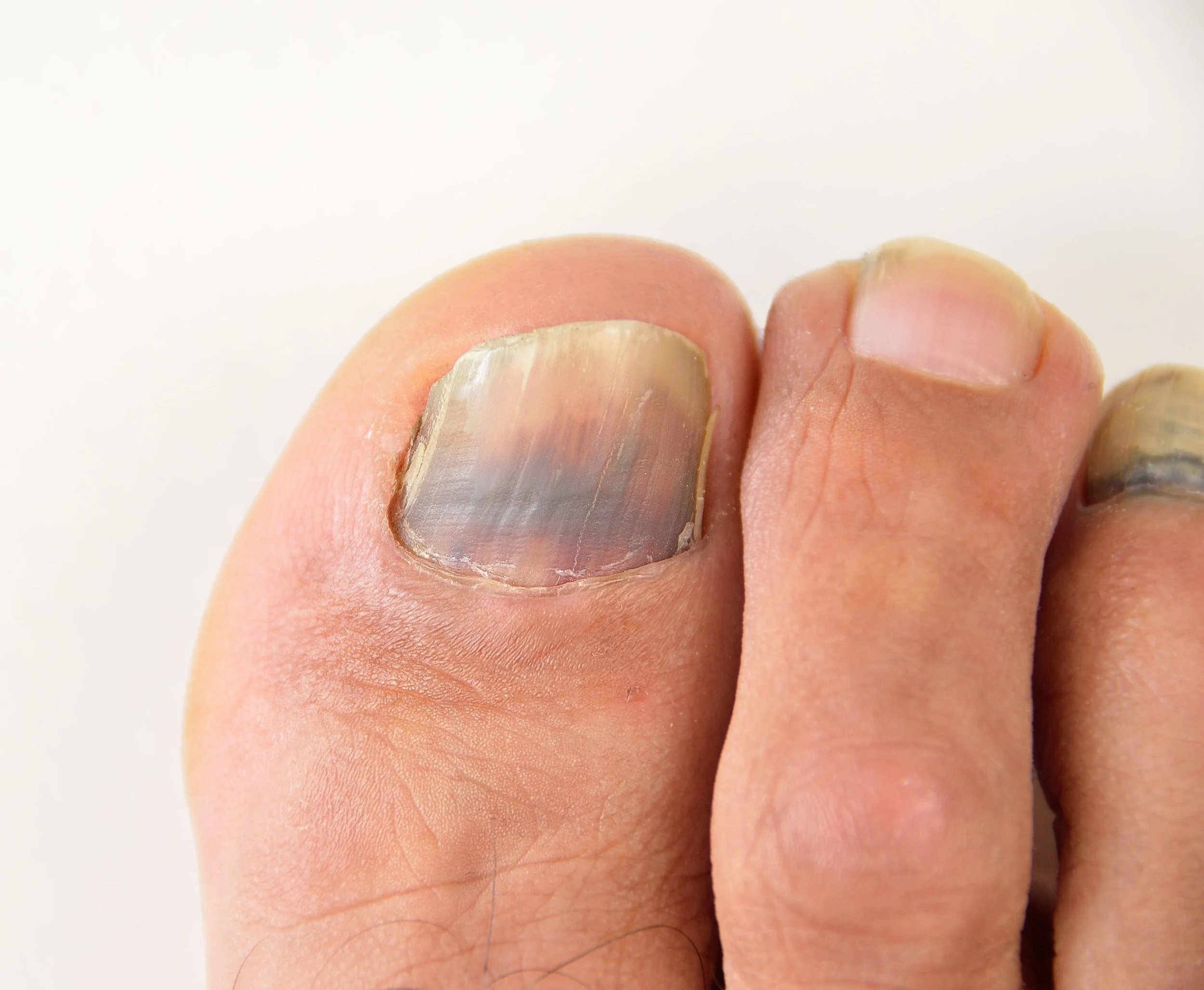
6. Discoloured Toenails
While some nail discolouration is caused by fungi or trauma, other factors — such as medications, underlying health conditions, or even nail polish staining — can change nail colour. A podiatrist can help determine the cause and advise on the right course of action.
When to See a Podiatrist for Nail Problems
Don’t wait until things get painful. Book an appointment with DG Podiatrist in London if you notice:
• Any nail change that persists for more than a few weeks
• Pain, redness, or swelling around a nail
• Difficulty cutting your toenails
• A nail that looks infected
• Changes to nails that concern you

Frequently Asked Questions (FAQs)
1. Can ingrown toenails heal on their own?
Very mild cases may settle with careful home care, such as soaking the foot and keeping the area clean. However, if the nail is causing significant pain, is infected, or keeps recurring, you should see a podiatrist rather than trying to manage it yourself.
2. How long does it take to treat a fungal nail infection?
Fungal nail infections can take several months or longer to clear, as toenails grow slowly. The exact duration depends on the treatment used and how many nails are affected. Consistency with treatment is key.
3. Is a Partial Nail Avulsion (PNA) painful?
The procedure is carried out under local anaesthetic, so you should not feel pain during it. Some discomfort is normal in the day or two after the procedure, but this is manageable with standard pain relief.
4. Can I paint my toenails if I have a fungal infection?
It’s best to avoid nail polish if you have a fungal nail infection. Polish can trap moisture and create conditions that encourage fungal growth. Your podiatrist will advise on when it’s safe to resume nail polish use.
5. Are thick toenails always caused by a fungal infection?
Not always. Thickened nails can result from repeated trauma, psoriasis, age-related changes, or other health conditions. A podiatrist can assess the nail to identify the underlying cause.
6. Why do my toenails keep becoming ingrown?
Recurring ingrown toenails can be caused by nail shape (naturally curved nails), incorrect nail cutting technique, or footwear that presses on the toes. A podiatrist can identify the cause and recommend the best long-term solution, which may include a minor procedure to prevent regrowth in the problem area.
7. Can diabetes affect toenail health?
Yes. People with diabetes need to take particular care of their toenails and feet. Reduced circulation and nerve sensitivity mean that small problems can escalate quickly. Regular podiatry appointments are strongly recommended.
8. What is the best way to cut toenails to avoid problems?
Cut toenails straight across — not too short and not curved at the edges. Use clean, sharp nail clippers. Avoid cutting down the sides of the nail. A podiatrist can demonstrate the correct technique and provide guidance during an appointment.
9. Does DG Podiatrist in London offer nail care as a regular treatment?
Yes. We offer routine nail care as part of our podiatry services. This includes nail cutting and filing, management of thickened or difficult nails, and treatment of nail conditions including ingrown toenails and fungal infections.
Ready to put your best foot foward?
Visit our bookings page or simply click below to book an appointment with DG Podiatrist today. Alternatively email us at bookings@dgpodiatrist.com.