
How a Sports Podiatrist in London Can Improve Your Running Performance
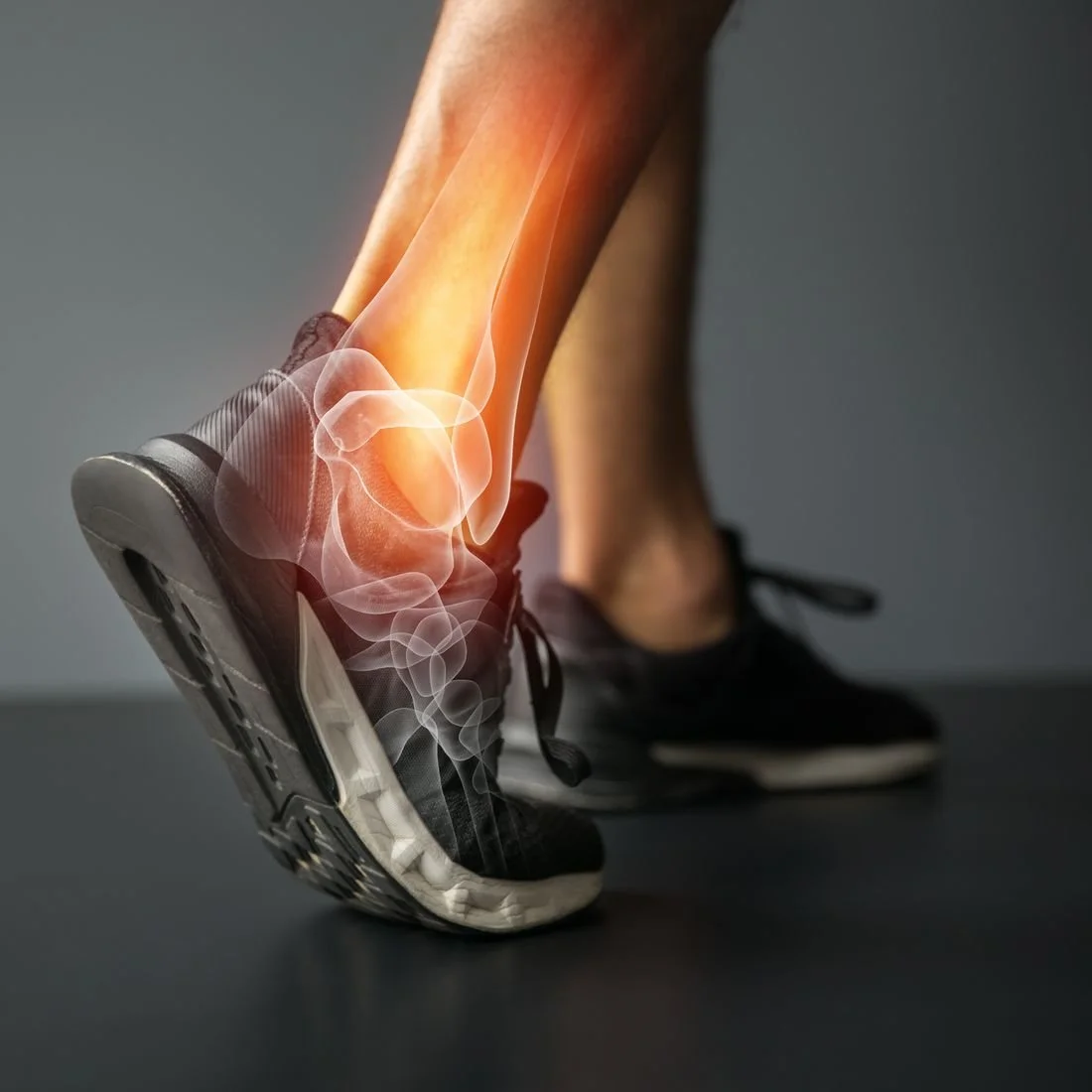
Whether you’re a weekend 5K runner or training for the London Marathon, your feet carry the full load of every run. Yet foot health is often the last thing runners think about — until something goes wrong.
A sports podiatrist in London can be one of the most valuable members of your training support team. Not only can they help you recover from injury, but they can also spot and address issues before they sideline you entirely.
What Is a Sports Podiatrist?
A sports podiatrist is a podiatrist who has specific expertise in sports-related foot, ankle, and lower limb conditions. They understand the biomechanical demands of physical activity and can tailor their assessment and treatment to active individuals.
At DG Podiatrist in London, we work with runners, cyclists, gym-goers, and sports enthusiasts across all levels — helping them stay active and perform at their best.
How Running Affects Your Feet
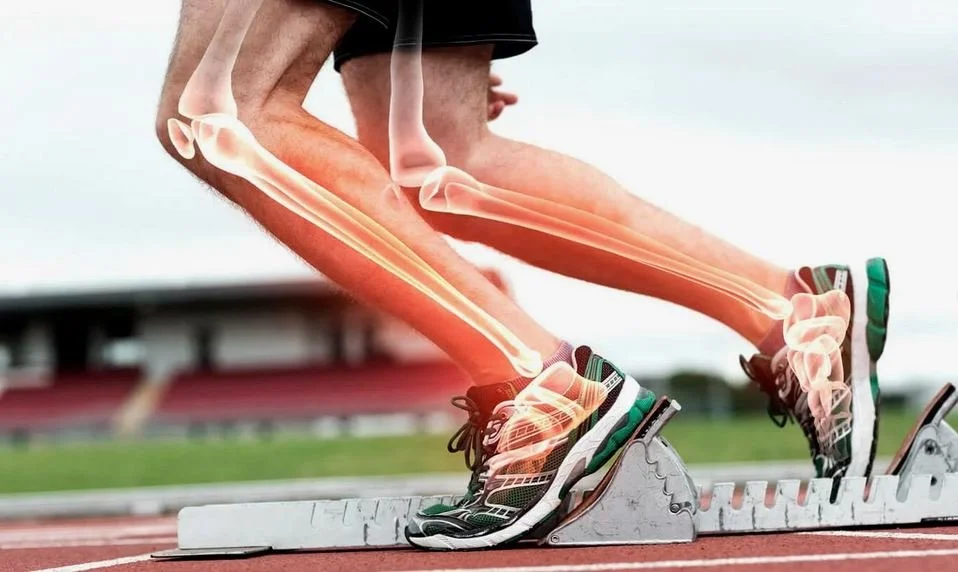
Running places repetitive stress on your feet and legs. With each stride, your foot absorbs significant impact. Over time, even minor biomechanical inefficiencies can lead to:
• Plantar fasciitis (heel pain)
• Shin splints
• Achilles tendinopathy
• Stress fractures
• IT band syndrome
• Knee pain caused by poor foot mechanics
Many of these conditions are preventable or manageable with the right podiatric support.
What Does a Sports Podiatrist Do for Runners?
1. Gait Analysis
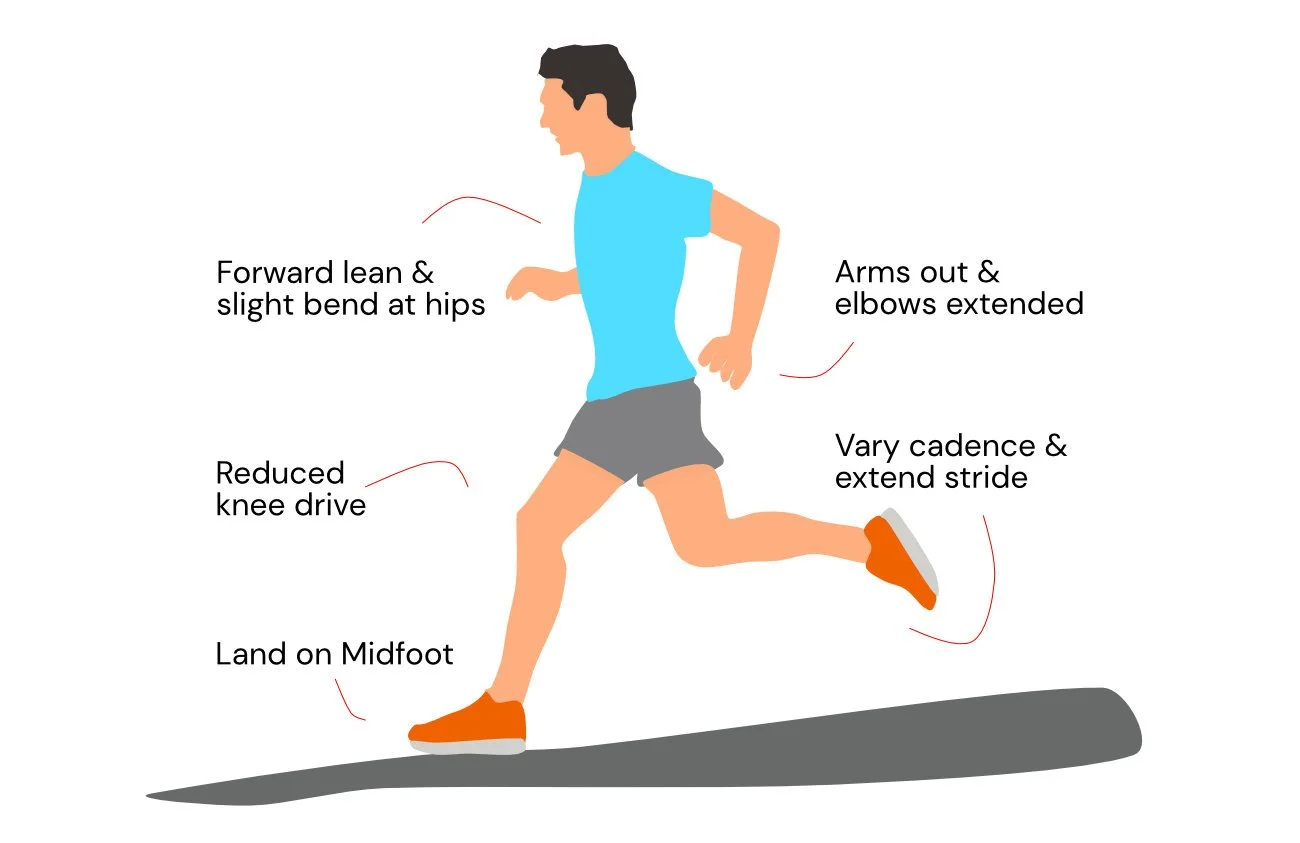
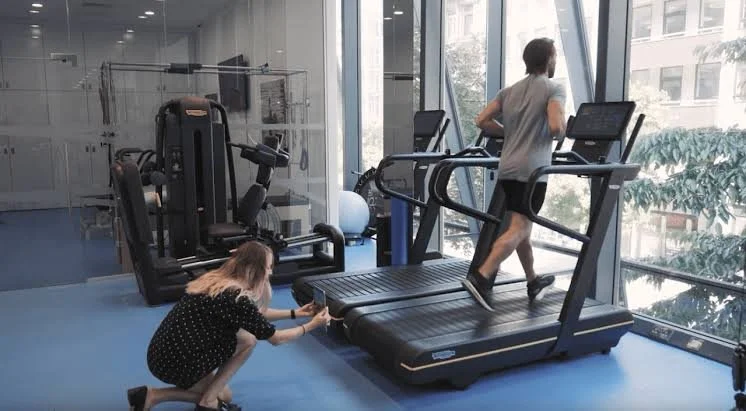
A thorough gait analysis is often the starting point. Your sports podiatrist will observe how you walk and run, looking at your foot strike pattern, ankle alignment, hip movement, and overall posture. This helps identify inefficiencies or compensatory patterns that could lead to injury.
2. Custom Orthotics
If your gait or foot structure is contributing to pain or poor performance, custom orthotics (specialist insoles) may be recommended. These are designed specifically for your feet and can be fitted inside your running shoes to correct alignment, reduce stress on vulnerable areas, and improve comfort.
3. Injury Assessment and Treatment
From a painful heel to an irritated Achilles tendon, a sports podiatrist can assess the root cause of your injury rather than just treating the symptoms. This means more effective recovery and a reduced chance of the issue coming back.
4. Load Management Advice
Overtraining is a common cause of running injuries. Your podiatrist can offer guidance on training load, cross-training strategies, and how to build mileage safely — particularly useful if you’re ramping up for a race.
5. Footwear Guidance
The wrong running shoe can make an existing problem worse. A sports podiatrist can assess your foot type and recommend the style of shoe best suited to your biomechanics — whether that’s a stability shoe, neutral trainer, or something with additional cushioning.
Signs You Should See a Sports Podiatrist
You don’t have to wait for an injury to seek support. Consider booking with a sports podiatrist if you:
• Experience regular foot or lower leg pain during or after runs
• Have a recurring injury that keeps flaring up
• Notice uneven wear on your running shoes
• Feel like one side of your body is working harder than the other
• Are returning to running after a break or injury
• Want to improve your running efficiency
Performance, Not Just Injury Prevention
It’s worth noting that sports podiatry isn’t only about fixing problems. Many runners in London use a sports podiatrist proactively to optimise their mechanics and improve performance. Small adjustments to foot positioning and load distribution can translate into real gains over longer distances.

Why DG Podiatrist for Runners in London?
At DG Podiatrist, we understand what runners need. Our approach is practical and evidence-based — we work with your goals, whether that’s completing a first 10K or setting a new personal best. We offer gait analysis, custom orthotics, and a full range of sports podiatry services in London.
Conclusion
If you’re serious about your running, investing in a session with a sports podiatrist in London is one of the smartest things you can do. From injury prevention to performance gains, the right podiatric support can make a real difference to how you run and how long you stay running.
Ready to take your training to the next level? Book with DG Podiatrist in London today.
Frequently Asked Questions (FAQs)
1. What is a sports podiatrist and how are they different from a regular podiatrist?
A sports podiatrist has specialist training in sports-related injuries and the biomechanical demands of physical activity. While a general podiatrist covers a broad range of foot conditions, a sports podiatrist focuses specifically on active individuals and athletic performance.
2. Do I need to be a professional athlete to see a sports podiatrist?
Absolutely not. Sports podiatrists work with people of all fitness levels — from casual joggers to competitive athletes. If you’re physically active and experiencing foot or lower limb issues, a sports podiatrist can help.
3. How does gait analysis work?
Gait analysis involves observing how you move — usually while walking or running on a treadmill. Your podiatrist looks at your foot strike, knee alignment, hip movement, and overall posture. Video analysis tools are often used to examine your mechanics in detail.
4. Can a sports podiatrist help with knee pain?
Yes, in many cases. Knee pain during running can stem from poor foot mechanics, such as overpronation. A sports podiatrist can assess whether your foot function is contributing to your knee issues and address it with orthotics, exercises, or footwear changes.
5. How long does it take to recover from a running injury with podiatric support?
Recovery time varies depending on the type and severity of the injury. Your sports podiatrist will give you a realistic timeline and guide you through each stage of recovery, including when it’s safe to return to training.
6. Are custom orthotics worth it for runners?
For many runners, yes. Custom orthotics are made specifically for your foot structure and gait. They can correct alignment, reduce pain, and help prevent recurring injuries. Off-the-shelf insoles may help in mild cases, but a custom pair is usually more effective for persistent or complex issues.
7. How often should a runner see a sports podiatrist?
This depends on your situation. If you’re injured, more frequent appointments may be needed initially. Once you’re healthy and training well, an annual check or pre-race assessment can be a useful part of your routine.
8. Can sports podiatry help with plantar fasciitis?
Yes. Plantar fasciitis is one of the most common running injuries and one that responds well to podiatric treatment. A sports podiatrist can identify the underlying cause, provide hands-on treatment, and recommend stretching, orthotics, or load management strategies.
9. Should I bring my running shoes to my appointment?
Yes — always bring your current running shoes. Wear patterns on the sole can reveal a great deal about your gait and biomechanics. Your podiatrist will likely examine them as part of the assessment.
10. Does DG Podiatrist in London offer sports podiatry for children and young athletes?
Yes. We support young athletes and active children experiencing foot or lower limb pain. Early assessment and intervention can help prevent injuries from becoming long-term problems during key development years.
Ready to put your best foot foward?
Visit our bookings page or simply click below to book an appointment with DG Podiatrist today. Alternatively email us at bookings@dgpodiatrist.com.