
7 Signs You Should Visit a Foot Doctor Podiatrist Without Delay

We’ve all done it — shrugged off foot pain and assumed it would sort itself out in a few days. And sometimes it does. But other times, ignoring what your feet are telling you can turn a manageable problem into something that affects your mobility, your daily life, and your long-term health.
Foot doctor podiatry exists precisely for these moments. A podiatrist is trained to assess, diagnose, and treat a wide range of foot and lower limb conditions — and knowing when to make that appointment can make all the difference.
Here are seven signs that you should stop waiting and book in with a podiatrist.

Sign 1: Persistent Heel or Arch Pain
If you’ve had heel or arch pain for more than a few weeks and it hasn’t improved with rest, it’s time to seek professional advice. The most common culprit is plantar fasciitis — inflammation of the thick band of tissue running along the bottom of the foot — but there are other possible causes, including heel spurs, nerve issues, or stress fractures.
Persistent heel pain is one of the most common reasons people visit a foot doctor podiatrist, and the good news is that it responds well to treatment when caught early. Left untreated, it can worsen and take much longer to resolve.
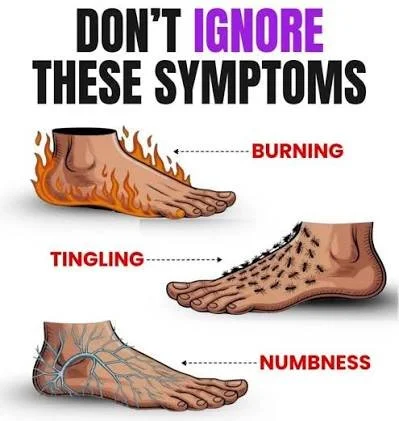
Sign 2: Numbness, Tingling, or Burning in the Feet
These sensations are not something to ignore. Numbness, tingling, or a burning feeling in the feet can indicate nerve-related issues such as Morton’s neuroma (a thickening of nerve tissue between the toes), peripheral neuropathy, or circulatory problems.
In people with diabetes, these symptoms are particularly important to investigate promptly. A podiatrist can carry out a thorough assessment to identify what’s going on and refer you on where needed.

Sign 4: Changing Foot Shape or a Visible Lump or Growth
Have you noticed your foot gradually changing shape? Or perhaps you’ve spotted a lump, bump, or growth that wasn’t there before?
Common causes include bunions (bony protrusions at the base of the big toe), bursitis, ganglion cysts, plantar fibromas, and verrucae. Some of these conditions are painless in the early stages but can become progressively uncomfortable if left unaddressed.
A podiatrist can assess any change in foot shape or the appearance of a new growth, advise you on what it is, and recommend appropriate treatment.
Sign 3: A Wound or Sore on Your Foot That Isn’t Healing
Under normal circumstances, minor cuts and blisters on the feet heal within a week or two. If you notice a wound, ulcer, or sore that has been present for longer than that and isn’t improving, this needs professional attention.
This is especially urgent for people with diabetes or poor circulation, where foot wounds can become serious very quickly. Foot doctor podiatry plays a critical role in diabetic foot care — regular monitoring and early treatment of any skin or nail changes can prevent complications.
If you see redness spreading around a wound, feel increased warmth, or notice any signs of infection, treat this as urgent and seek medical help straight away.


Sign 5: Nail Changes That Don’t Resolve
Yellow, thickened, or crumbling toenails are a common sign of a fungal nail infection. An ingrown toenail that’s causing pain, redness, or signs of infection also warrants a visit to a podiatrist rather than home treatment.
Nail problems that persist beyond a few weeks, keep recurring, or are accompanied by pain are telling you that you need professional support. Foot doctor podiatry covers the full range of nail conditions — from routine nail care to more complex procedures for ingrown toenails.
Sign 6: Foot or Ankle Pain That’s Affecting How You Walk
If foot or ankle pain is changing the way you walk — whether you’re limping, avoiding putting weight on a particular area, or feeling unsteady — this is a significant sign. Altered gait can place strain on other parts of the body, including the knees, hips, and lower back, and can lead to a cascade of secondary problems.
A podiatrist can assess your gait and identify the root cause of the problem, whether it’s structural, biomechanical, or related to a specific injury.

A Word on Waiting
It’s natural to hope that foot problems will resolve on their own. But the reality is that many conditions — from plantar fasciitis to fungal infections to ingrown toenails — become harder to treat the longer they are left. Early intervention from a qualified foot doctor podiatrist usually means shorter treatment times, better outcomes, and less disruption to your daily life.
When to Treat It as an Emergency
While most foot problems can wait for a standard appointment, some situations require same-day or urgent medical attention:
• Signs of infection spreading rapidly (increasing redness, warmth, swelling, or fever)
• A foot wound in a person with diabetes that shows any signs of worsening
• Severe sudden pain following an injury (possible fracture)
• Complete loss of sensation in the foot
In these cases, contact your GP, a walk-in centre, or A&E depending on the severity.
Sign 7: You Get Regular Pedicures, But the Skin Always Grows Back Quickly
Plenty of people keep up with regular pedicures and still find that hard skin, calluses, or rough patches seem to come straight back within days or weeks. If this sounds familiar, it's worth asking whether the treatment you're getting is addressing the underlying cause — or just smoothing over the surface.
Salon pedicures are cosmetic treatments, not clinical ones, and they aren't always carried out to a medical standard. Tools may not be sterilised to the same level as in a podiatry clinic, and the technique used to remove hard skin can sometimes make the problem worse over time rather than better, especially if too much skin is removed and the body responds by producing even more.
A podiatrist can get to the root of why the skin keeps building up so fast — whether it's due to pressure points, foot mechanics, footwear, or a skin condition — and provide medical-grade treatment that lasts longer and keeps your feet genuinely healthy, not just temporarily tidy.

Why DG Podiatrist in London?
At DG Podiatrist, we offer comprehensive foot doctor podiatry services for Londoners. Our HCPC-registered podiatrists take time to understand your concerns and provide clear, honest advice — no unnecessary upselling, just effective care.
Whether you’re dealing with one of the signs above or have a concern you’re not sure about, our team is here to help.
Conclusion
Your feet carry you through every day of your life. If something doesn’t feel right, don’t put it off. These seven signs — persistent pain, nerve symptoms, non-healing wounds, shape changes, nail problems, altered gait, and skin that won’t stay smooth despite regular pedicures — are all reasons to book with a foot doctor podiatrist sooner rather than later.
Contact DG Podiatrist in London today and let us help you get back on your feet.
Frequently Asked Questions (FAQs)
1. How do I know if my foot pain is serious?
If foot pain has lasted more than two to three weeks without improvement, is getting worse, or is affecting how you walk or carry out daily activities, it’s worth seeing a podiatrist. Pain that comes on suddenly after an injury, or is accompanied by significant swelling, should be assessed promptly.
2. Can foot problems cause knee or back pain?
Yes. Poor foot mechanics or altered gait can create compensatory strain on the knees, hips, and lower back. A podiatrist can assess whether your foot function is contributing to pain elsewhere in the body.
3. I’m diabetic. How often should I have my feet checked?
People with diabetes are advised to have their feet checked at least once a year through their GP or diabetes care team, and more frequently if any concerns arise. Regular podiatry appointments are also highly recommended to catch problems early.
4. What should I do if I think I have an infected toenail?
If you suspect an infected toenail — signs include increasing pain, redness, swelling, or pus — contact a podiatrist or GP as soon as possible. An infected toenail may require antibiotic treatment and professional intervention.
5. Are bunions treatable without surgery?
In many cases, yes. Non-surgical management of bunions includes padding, orthotics, footwear changes, and exercises to slow progression and manage pain. A podiatrist can advise on conservative management and refer you to a surgeon if intervention is ever needed.
6. What is Morton’s neuroma and can a podiatrist treat it?
Morton’s neuroma is a condition where nerve tissue between the toes thickens, causing pain, burning, or numbness — often described as feeling like you’re standing on a pebble. Yes, a podiatrist can assess and help manage it, using orthotics, footwear advice, and referral where appropriate.
7. Can a verruca (plantar wart) be left untreated?
Some verrucae do resolve on their own over time, but others persist or spread. If a verruca is causing pain, is in a weight-bearing area, or has been present for a prolonged period, seeing a podiatrist for treatment is advisable.
8. Is it normal for feet to hurt after standing all day?
Some fatigue and mild discomfort can be normal after a long day on your feet. However, regular or significant foot pain after standing is not something to normalise — a podiatrist can assess whether there is an underlying structural or biomechanical reason for it.
9. Can children develop the foot problems mentioned in this article?
Yes. Children can develop a range of foot conditions, including verrucae, flat feet, growing pains, and sports-related injuries. A podiatrist can assess paediatric foot concerns and advise on appropriate management.
10. How quickly can I get an appointment at DG Podiatrist in London?
We aim to offer appointments as promptly as possible. For urgent concerns, please contact our clinic directly to discuss availability. Routine appointments can be booked online or by phone.
Ready to put your best foot foward?
Visit our bookings page or simply click below to book an appointment with DG Podiatrist today. Alternatively email us at bookings@dgpodiatrist.com.