
10 Causes of Chronic Foot Pain — And How DG Podiatrist Provides Lasting Relief
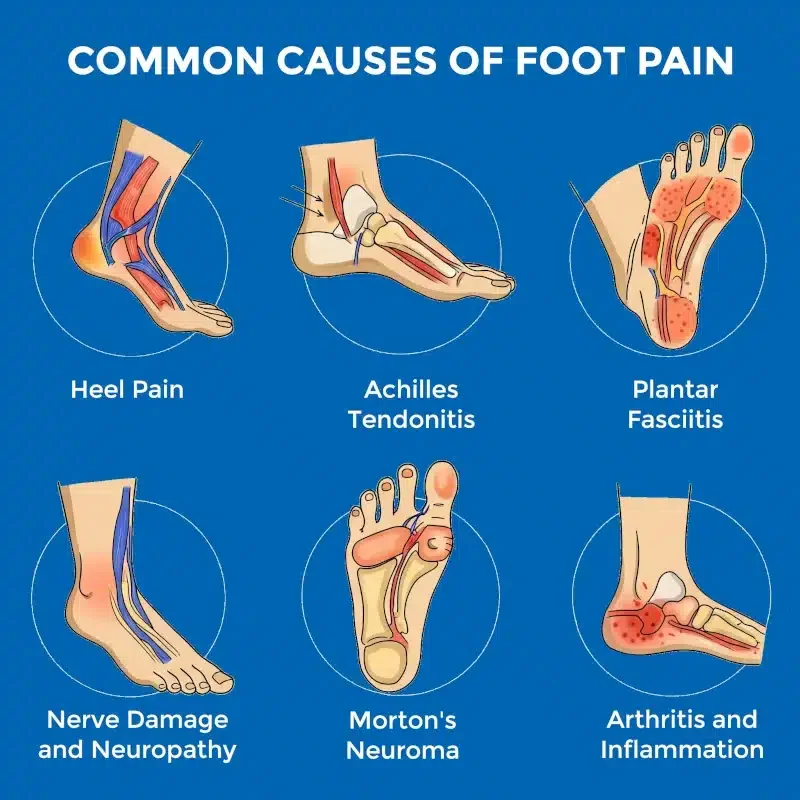
Chronic foot pain is more than just an inconvenience. When your feet hurt every day, it affects how you walk, how you work, how you sleep, and your overall quality of life. Many people live with ongoing foot pain for months or even years simply because they do not know that effective, lasting treatment is available.
As a trusted foot pain relief specialist in Harare, DG Podiatrist works with patients to identify the root cause of their chronic foot pain and provide targeted treatment — not just temporary symptom relief. Here are ten of the most common causes of chronic foot pain, and what can be done about each one.
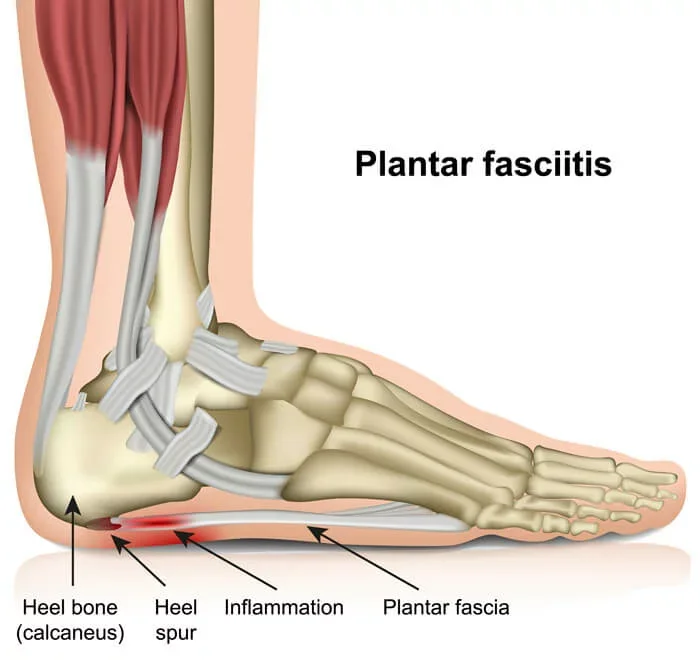
1. Plantar Fasciitis
Plantar fasciitis — inflammation of the band of tissue running along the bottom of the foot — is one of the most common causes of chronic heel pain. It causes a stabbing pain that is typically worst in the morning and after periods of rest.
As a foot pain relief specialist, DG Podiatrist treats plantar fasciitis with a combination of custom orthotics, targeted stretching protocols, strapping, and footwear advice. Left untreated, it can become a long-standing problem, so early intervention is always better.
2. Flat Feet (Pes Planus)
Flat feet — where the arch of the foot collapses — can be asymptomatic for years before beginning to cause pain. When symptoms develop, patients often experience aching along the inner ankle, the arch, and sometimes into the knee, hip, and lower back due to altered biomechanics throughout the lower limb.
DG Podiatrist assesses flat foot structure comprehensively and provides customised orthotic insoles and footwear recommendations to support the arch and redistribute pressure effectively.
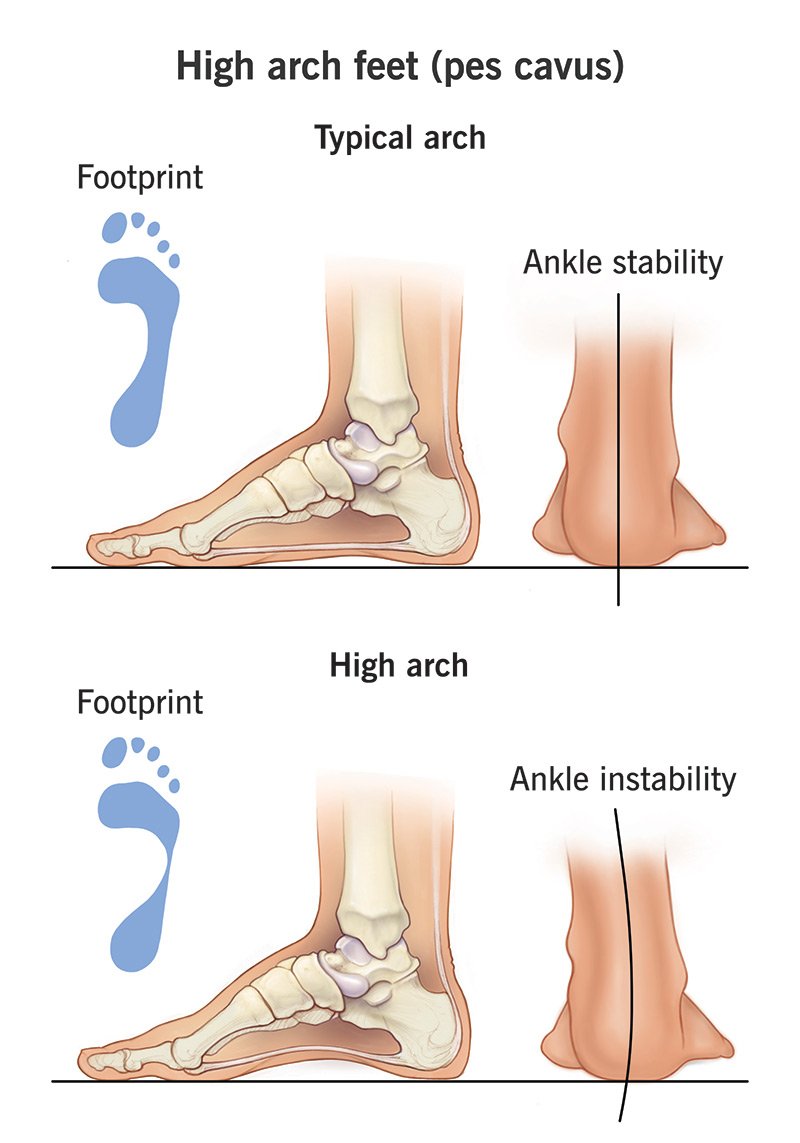
3. High Arches (Pes Cavus)
Conversely, feet with excessively high arches absorb shock poorly, leading to increased pressure on the heel and ball of the foot. This can result in persistent pain in the heel, metatarsal heads, and even the ankle. High-arched feet are also associated with repeated ankle sprains.
Orthotic therapy designed specifically for cavus feet, combined with appropriate footwear selection, can significantly reduce pain and improve function.
4. Metatarsalgia
Metatarsalgia is the term for pain and inflammation in the ball of the foot — the area just behind the toes. It can feel like standing on a pebble and is often made worse by walking or standing for long periods. Factors include high-impact activity, inappropriate footwear, and foot structure.
As a foot pain relief specialist, DG Podiatrist identifies the specific metatarsal bones involved and creates a management plan that may include metatarsal padding, orthotics, and activity modification.
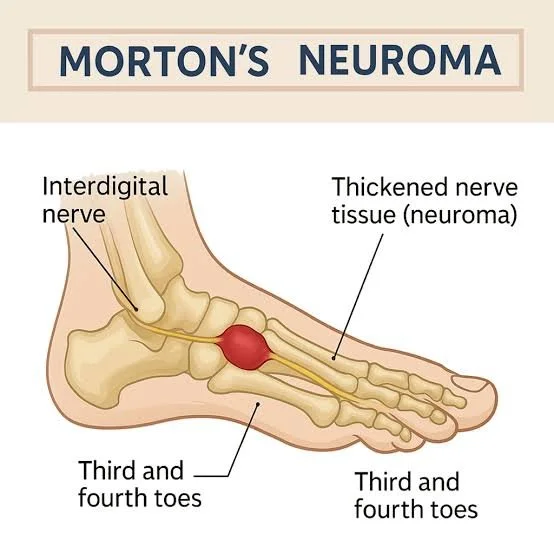
5. Morton's Neuroma
Morton's neuroma is a thickening of the nerve tissue between the third and fourth toes, causing a burning, tingling, or numbness sensation in the ball of the foot. Many patients describe feeling as though they have a marble or folded sock inside their shoe.
Treatment options include footwear modifications to reduce nerve compression, padding, and orthotic support. In more persistent cases, additional interventions may be considered and we will guide you through the appropriate pathway.
6. Heel Spurs
A heel spur is a bony growth on the underside of the heel bone, often associated with plantar fasciitis. While the spur itself is not always the source of pain, the surrounding inflamed tissue frequently is. Heel spurs are often discovered incidentally on X-ray during an assessment for heel pain.
DGPodiatrist's approach to heel spurs focuses on addressing the underlying biomechanical factors that created the condition — not simply treating the symptom. This leads to more durable, lasting relief.
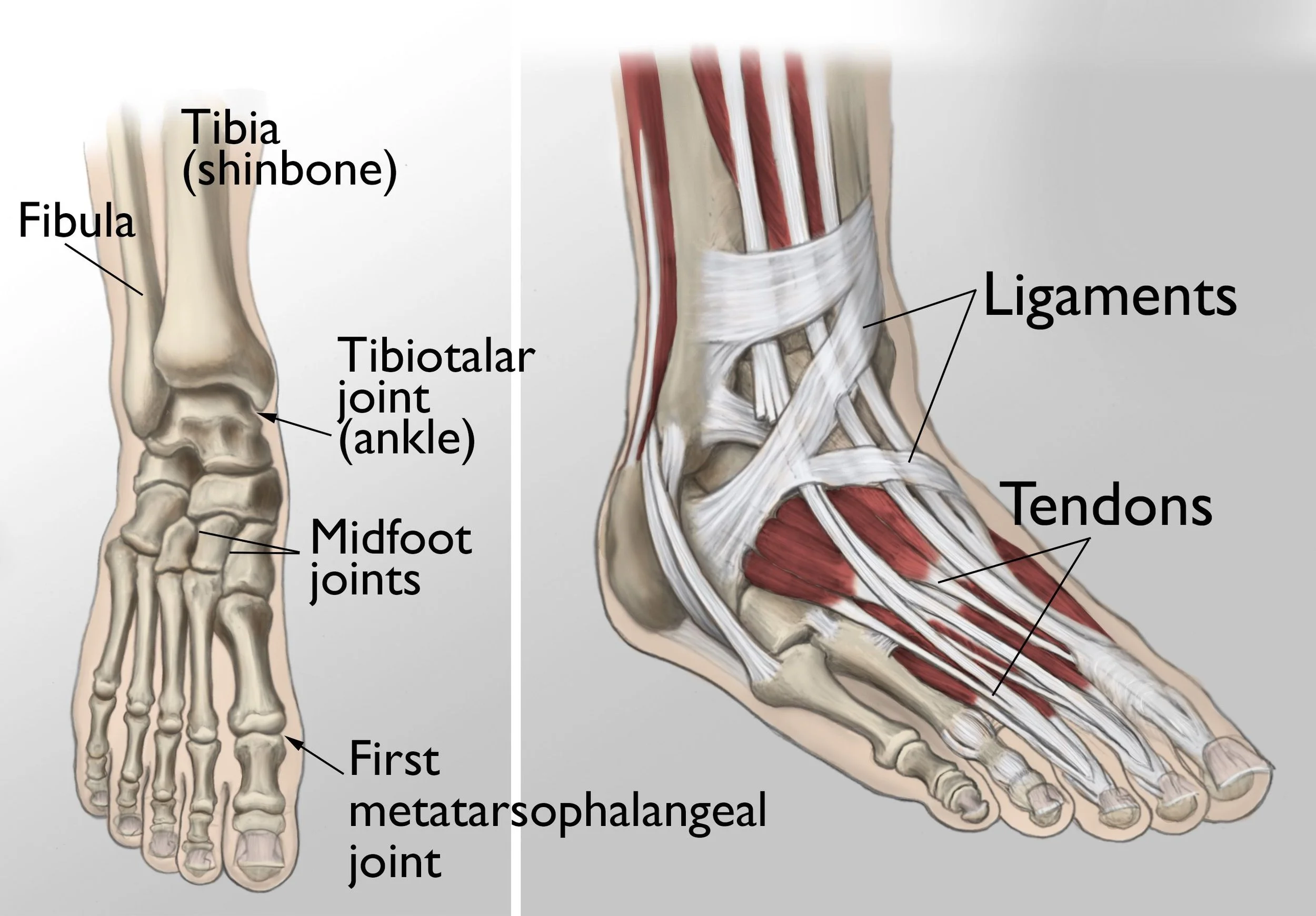
7. Arthritis in the Foot and Ankle
Osteoarthritis, rheumatoid arthritis, and gout can all affect the joints of the foot, causing chronic stiffness, swelling, and pain. The big toe joint is a particularly common site for arthritis, as is the ankle joint. Pain from foot arthritis tends to be worse after periods of inactivity and at the end of the day.
DG Podiatrist works collaboratively with patients who have arthritis to manage their foot symptoms through orthotic support, appropriate footwear, and activity recommendations that keep them moving without exacerbating joint pain.
8. Posterior Tibial Tendon Dysfunction (PTTD)
The posterior tibial tendon runs along the inner ankle and is responsible for supporting the arch. When this tendon becomes inflamed, damaged, or fails, the arch progressively collapses — a condition known as adult-acquired flatfoot. It presents as inner ankle pain, swelling, and gradually worsening foot posture.
PTTD is a condition that benefits significantly from early podiatric intervention. As a foot pain relief specialist, DG Podiatrist can provide orthotic support and rehabilitation strategies to stabilise the foot and slow progression.
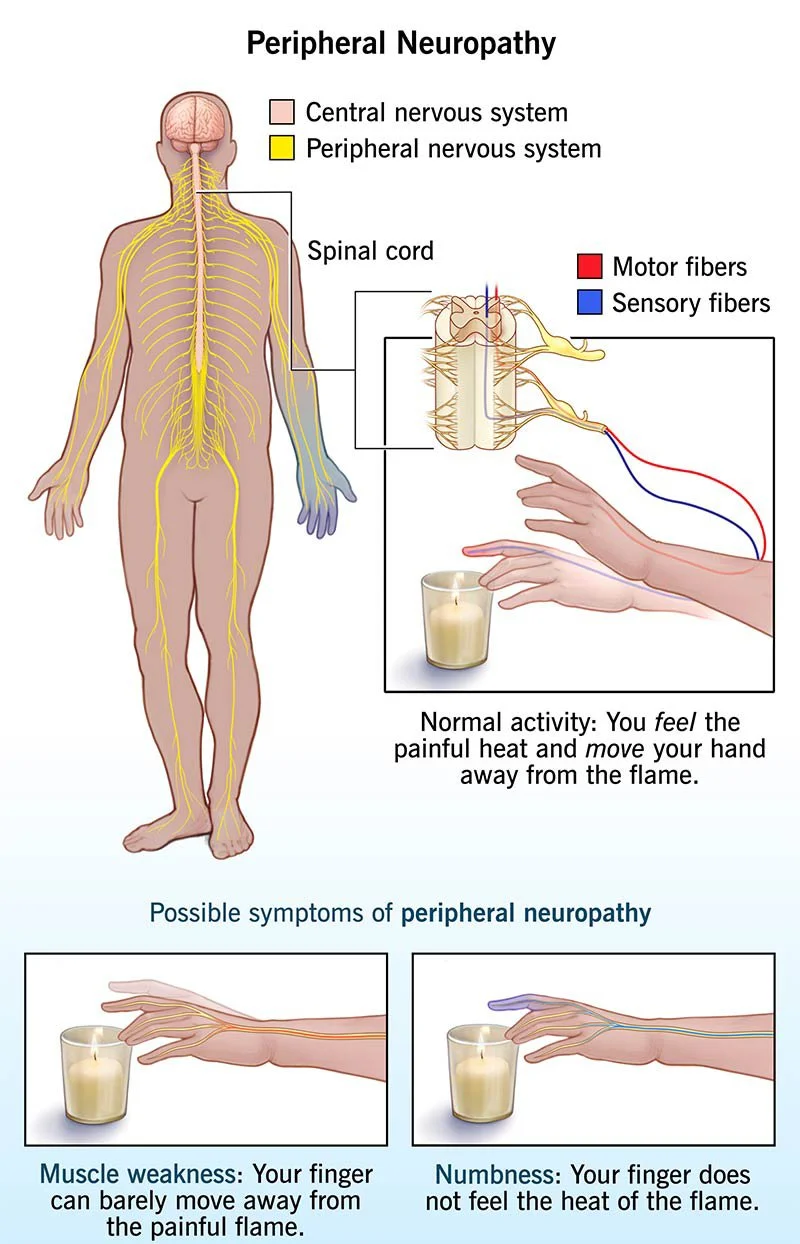
9. Peripheral Neuropathy
Peripheral neuropathy — damage to the peripheral nerves — often presents as burning, tingling, numbness, or aching in the feet. Diabetes is the most common cause, but neuropathy can also result from certain medications, vitamin deficiencies, or other systemic conditions.
Managing the underlying condition is central to treating neuropathic foot pain. DG Podiatrist works with patients and their broader medical team to ensure the feet are protected and monitored, reducing the risk of complications.
10. Ill-Fitting or Inappropriate Footwear
This is a cause of chronic foot pain that is often underestimated. Shoes that are too narrow, too flat, have poor arch support, or offer inadequate cushioning can create or worsen a wide range of foot conditions over time. Many patients are surprised to discover that changing their footwear is part of the solution to their chronic foot pain.
DG Podiatrist assesses footwear as part of every consultation, offering specific guidance on what to look for — and what to avoid — based on each patient's individual foot structure and condition.
The DG Podiatrist Approach to Chronic Foot Pain in Harare
What sets DG Podiatrist apart as a foot pain relief specialist in Harare is our commitment to understanding the individual. Chronic foot pain rarely has a single, simple cause — more often, it involves a combination of biomechanical, lifestyle, and footwear factors. Our assessments are thorough, our treatment plans are personalised, and our goal is always lasting relief rather than short-term symptom management.
We use a combination of:
Detailed biomechanical assessment
Custom orthotic prescriptions
Footwear advice and modification recommendations
Rehabilitation and exercise programmes
Coordination with other healthcare providers where appropriate
You Do Not Have to Live With Foot Pain
Chronic foot pain is common, but it is not something you simply have to accept. With the right diagnosis and targeted treatment from a foot pain relief specialist, most patients experience significant and lasting improvement.
Contact DG Podiatrist in Harare today to book your assessment. Let us help you get back to moving freely and living without foot pain.
Frequently Asked Questions (FAQs)
Q1: How do I know if my foot pain is chronic or just from overuse?
Overuse pain typically resolves with a few days of rest. Chronic foot pain persists for three months or more, may fluctuate but does not fully resolve, and often has an underlying structural or biomechanical cause. If your foot pain keeps returning or has not improved with rest, it is worth consulting a foot pain relief specialist.
Q2: Can custom orthotics really make a difference for chronic foot pain?
Yes, for many conditions, custom orthotics are a highly effective component of treatment. They work by redistributing pressure, correcting biomechanical imbalances, and providing support where the foot structure needs it most. They are not a universal solution, but for the right conditions and patients, they can be transformative.
Q3: How long does it take to get relief from chronic foot pain?
This depends on the cause and how long the condition has been present. Some patients notice improvement within a few weeks of beginning treatment; others require several months of consistent management. A foot pain relief specialist can give you a realistic timeline based on your specific diagnosis.
Q4: Can the wrong shoes really cause chronic foot pain?
Absolutely. Footwear is one of the most significant contributors to chronic foot conditions. Narrow toe boxes, excessive heel height, inadequate arch support, and worn-out cushioning are all common causes or aggravating factors. Changing footwear is often an important part of treatment.
Q5: Is foot pain more common as we get older?
Yes. As we age, the fat padding in the foot naturally thins, joint cartilage can wear down, and foot posture may change. This makes chronic foot conditions more prevalent in older adults. However, age alone does not mean foot pain is inevitable — podiatric care can maintain foot health and comfort well into older age.
Q6: What is the difference between plantar fasciitis and a heel spur?
Plantar fasciitis is inflammation of the plantar fascia tissue. A heel spur is a bony growth on the heel bone that can develop when the fascia repeatedly pulls at its attachment point. They often occur together, but either can exist without the other. The symptoms of both are often similar, making a professional assessment important.
Q7: Can foot pain cause knee, hip, or back pain?
Yes. The feet are the foundation of the entire musculoskeletal system. Altered foot mechanics — such as those caused by flat feet, high arches, or chronic pain that changes your gait — can create compensatory stresses throughout the lower limb and into the back. Treating foot pain often has positive effects higher up the chain.
Q8: Do I need an X-ray or scan to diagnose chronic foot pain?
Not always. Many conditions can be diagnosed through clinical assessment alone. However, imaging may be recommended to rule out stress fractures, confirm arthritis, or assess bone structure in complex cases. DG Podiatrist will advise you if a referral for imaging is appropriate.
Q9: Is DG Podiatrist able to treat patients with diabetes who have chronic foot pain?
Yes. Diabetic foot care is an important area of our practice. People with diabetes may experience chronic foot pain as a result of neuropathy, circulatory changes, or musculoskeletal conditions. We provide comprehensive assessments and safe, appropriate treatment for diabetic patients in Harare.
Q10: How do I book an appointment with DG Podiatrist in Harare?
Simply contact our clinic directly to schedule your consultation. We welcome patients of all ages experiencing any form of foot pain or discomfort. Our team will take the time to understand your history and develop an individual treatment plan designed to provide lasting relief.
Ready to put your best foot foward?
Visit our bookings page or simply click below to book an appointment with DG Podiatrist today. Alternatively email us at bookings@dgpodiatrist.com.